 the NDS (ANSI/AWC NDS) under the IBC / IRC
Design SPAX Screws to the NDS
Structural engineers use SPEC Toolbox to design SPAX X-Series structural wood fasteners to the NDS (ANSI/AWC NDS) under the IBC and IRC, using the ASD and LRFD reference design values from ICC-ES ESR-5358 (issued March 2025). The integration covers the XF, XC, XS and XR series in 1/4 to 5/8 in. diameters, for wood-to-wood and steel-to-wood connections in sawn lumber, glulam, LVL, LSL and the face of CLT, in dry service.
Start Designing for Free Back to Anzor ICC-ES ESR-5358 — issued March 2025 (renewal March 2026)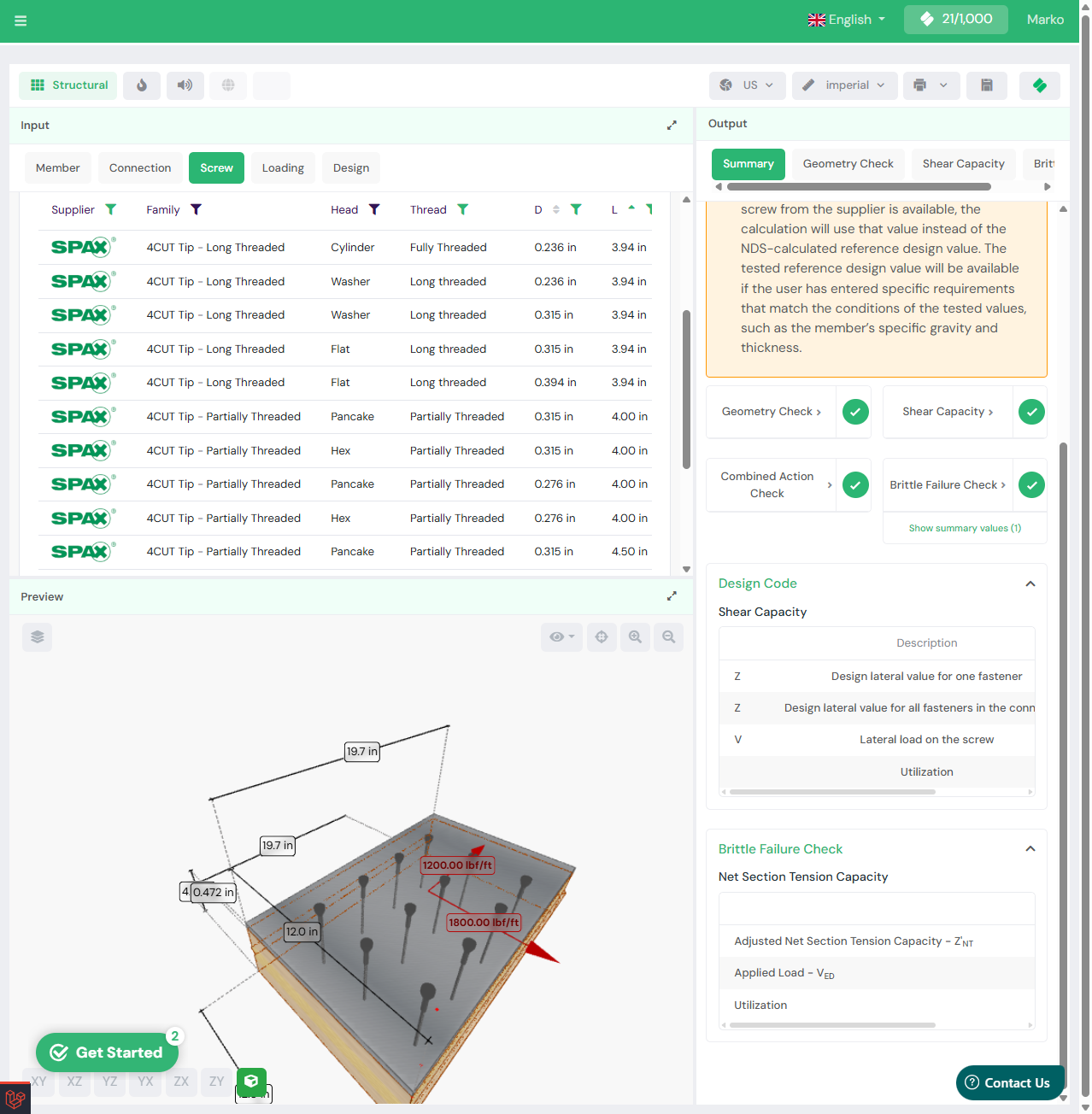


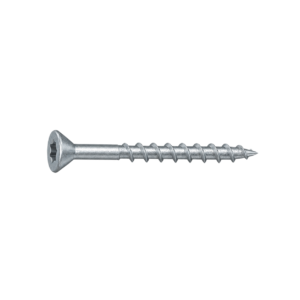
SPAX (a brand of Altenloh, Brinck and Co.) manufactures self-drilling structural wood fasteners, sold in the US as the X-Series. Their screws are recognized under ICC-ES ESR-5358, which publishes reference design values for use with the ANSI/AWC NDS under the IBC and IRC. SPEC Toolbox designs the screws using those values, in both ASD and LRFD.
The US integration follows the SPAX US database, organized by the X-Series tip and head system evaluated in ESR-5358.
XF series (4CUT tip)
XC series (CUT-point tip, fully threaded)
XS series (sharp tip)
XR series (fully threaded)
Heads other than hex use a star drive recess. The screws are hardened carbon steel; several finishes are offered, including the black HCR corrosion-resistant coating for use in treated wood. Diameters run from #14 to 5/8 in.; diameters and lengths are as listed in ESR-5358.
At a glance, in the US scope the SPAX X-Series fasteners support:
The SPAX US screws are available in the Screw module and in the connection detail calculators, worked in ASD or LRFD to the NDS:
Reference values are selected for the assigned specific gravity of the connected members, and end, edge and spacing requirements are applied per the NDS and the ESR-5358 geometry, including the separate predrilled and non-predrilled cases and the larger distances required in denser species such as Douglas fir.
Design follows the ANSI/AWC NDS under the IBC and IRC. ESR-5358 supplies reference (allowable) design values in imperial units for withdrawal, head pull-through and lateral resistance, along with allowable fastener steel strengths. These are adjusted by the applicable NDS factors for the chosen method, among them load duration, wet service, temperature, group action, geometry and end grain, to give allowable (ASD) or design (LRFD) values. Reference values are keyed to the member’s assigned specific gravity (with lateral design limited to a specific gravity of 0.55 or less), and steel side members are designed per AISC 360 or AISI S100. The evaluation is for dry service, with wet-service use limited to the XF (1/4, 5/16 and 3/8 in.) and XS series; saltwater exposure, treated-wood contact other than with the HCR coating, and lateral design with inclined fasteners are outside scope. The screws were also shown to comply with the 2022 California Building and Residential Codes, the 2023 Florida Building Code, and the City of Chicago and City of Los Angeles codes, through the report’s supplements.
“Partnering with SPEC Toolbox was a no-brainer. Their clear focus on addressing the unique challenges of the mass timber industry positions them to overcome the critical limitations on access to education and design infrastructure.”
— Nicholas Benecke, Product Manager, SPAX International Timber Construction Solutions
It is written against ICC-ES ESR-5358, issued March 2025 (subject to renewal March 2026). Values are re-checked against the report at its next reissue before the integrated data changes.
The X-Series fasteners evaluated in ESR-5358: the XF series in pancake, hex, washer, flat and cylinder heads (1/4, 5/16 and 3/8 in.); the fully threaded XC series in flat and cylinder heads (5/16 and 3/8 in.); the XS hex-head series (1/2 in.); and the fully threaded XR series (5/8 in.).
Wood-to-wood and steel-to-wood connections in sawn lumber, structural glued laminated timber, LVL, LSL and the face of CLT, in dry service. Saltwater exposure is outside the scope of the report, and only the HCR coating is evaluated for contact with treated wood.
Yes. ESR-5358 publishes reference values that adjust to allowable (ASD) or design (LRFD) strengths, and the integration carries both so a connection can be checked in whichever method the project uses.
Free, browser-based, no download. Design any certified connection into your real materials in seconds.
Start Designing For Free →Get your products in front of every engineer specifying on the platform — at the point of design.
Get Your Products Specified →
Get the latest updates, tools, and resources for smarter timber design—straight to your inbox.

© 2026 SPEC Toolbox.
Website by Sanatan