
Glulam Design Software for NDS 2018
Free design software to design Glulam to NDS 2018 in Seconds!
American Glulam Engineering
Glue-Laminated Timber (Glulam) is the cornerstone of US mass timber, defined by the rigorous ANSI A190.1 manufacturing standard. From simple door headers to long-span roof trusses in Type IV construction, Glulam offers the strength of steel with the carbon benefits of wood.
The SPEC Toolbox Glulam Calculator is engineered for the American workflow. It automates the complex modification factors of the National Design Specification (NDS)—specifically the volume factor and beam stability—allowing you to specify standard layups (like 24F-1.8E) with complete confidence.
What This Calculator Does
This tool performs a complete Allowable Stress Design (ASD) analysis of Glulam members under gravity and wind loads. It verifies:

Mises à jour de nos partenaires
La plateforme connaissant la croissance la plus rapide pour les spécifications relatives au bois
Key GLT Design Capabilities
Design of GLT Beams
Supplier & Code Integration
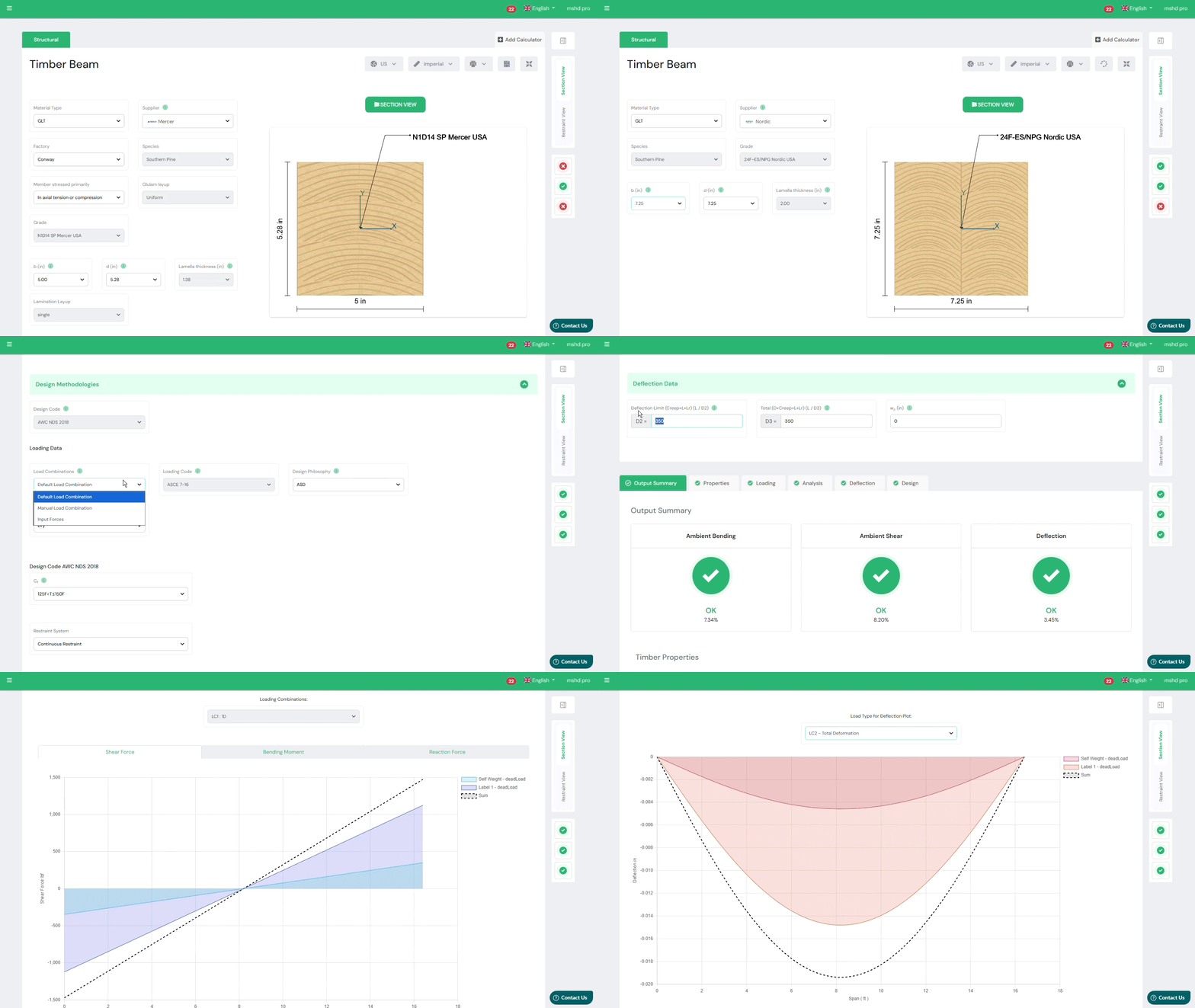
Effective glulam beam design begins with the correct application of AWC NDS material parameters and load factors. Our platform integrates supplier-specific glulam data with the National Design Specification for Wood Construction (AWC NDS 2018), enabling fast and reliable structural verification of timber beam elements.
Material grades are evaluated using NDS design parameters. Load combinations are generated according to ASCE 7-16, while the calculator supports Allowable Stress Design (ASD) methodology together with adjustments for moisture conditions and temperature factors.
Analytical Model for Glulam Beams
• Elastic Beam Theory
Glulam beams are analyzed using classical Euler–Bernoulli beam theory. The beam is treated as a linear elastic element where plane sections remain plane during bending. This approach provides accurate evaluation of internal forces, stresses, and deflections.
• Section Properties
The structural behavior is determined from the beam geometry and material grade. Key properties such as moment of inertia, section modulus, and effective section area are automatically calculated to evaluate stiffness and strength.
• Stability Considerations
Slender beams may experience lateral stability effects when subjected to bending. The design incorporates restraint conditions and effective unbraced length parameters to ensure reliable structural performance in accordance with NDS stability provisions.
Structural Performance Checks
The calculator evaluates the main structural limit states according to AWC NDS 2018 provisions.
• Bending Resistance
Verification of bending stresses against the allowable bending stress of the glulam section. The tool calculates the maximum bending moment and corresponding stress utilization based on ASD design values.
• Shear Resistance
Shear stresses within the beam cross-section are checked against the allowable shear strength of the glulam member to ensure safe transfer of vertical loads.
• Stability Check Due to Bending
Glulam beams may experience lateral instability when bending about the major axis. The calculator evaluates the restraint system and effective length parameters to verify stable structural behavior.
• Deflection Verification
Serviceability performance is assessed by calculating beam deflection under applied loads. The resulting deformation is compared against allowable span limits to ensure adequate stiffness and service performance.
Design of GLT Columns
Supplier & Code Integration
Effective glulam column design begins with the correct application of AWC NDS material parameters and adjustment factors. Our platform integrates supplier-specific glulam data with the National Design Specification for Wood Construction (AWC NDS 2018), enabling reliable structural verification of timber compression members.
Material grades such as GL24h, GL28h, and other glulam classes are evaluated using NDS design parameters. Load combinations are generated according to ASCE 7-16, while the calculator supports Allowable Stress Design (ASD) methodology together with adjustments for moisture conditions (Cm) and temperature factors (Ct).
Analytical Model for Glulam Columns
• Elastic Member Analysis
Glulam columns are modeled as linear elastic members following classical structural mechanics principles. Axial compression forces, bending moments caused by eccentric loads, and interaction effects are evaluated using AWC NDS design procedures.
• Section Properties
The structural behavior is determined from the column geometry and timber grade. Important properties such as section modulus, moment of inertia, and radius of gyration are automatically calculated to determine the stiffness and resistance of the member.
• Load Eccentricity Effects
Columns frequently experience eccentric loading from connecting beams or framing elements. The calculator considers eccentricities in both principal directions, resulting in bending moments that are combined with axial compression during design verification.
Structural Performance Checks
The calculator evaluates the main structural limit states according to AWC NDS 2018 provisions.
• Bending Verification
Bending stresses caused by load eccentricities are checked about both the major and minor axes of the column cross-section. The calculated stresses are compared with the allowable bending stress of the glulam member.
• Compression Verification
Axial compression forces acting on the column are verified against the allowable compressive stress parallel to grain. This ensures the column can safely carry vertical loads transferred from beams and upper structural elements.
• Combined Actions Verification
When axial force and bending moments occur simultaneously, the interaction between these actions is checked according to NDS interaction equations for combined bending and compression. This verification ensures safe behavior under realistic loading conditions.
• Buckling Verification
Slender columns are susceptible to instability. The calculator evaluates column buckling using effective length parameters, slenderness ratios, and NDS column stability factors to determine the allowable compressive capacity.
• Stability Checks
Additional stability verification evaluates member slenderness ratios and restraint conditions to ensure the column remains stable under combined compression and bending effects.
Design of GLT Connections
Advancing Structural Connection Design for Glulam
While the National Design Specification for Wood Construction (AWC NDS 2024) provides the fundamental design framework for timber structures in the United States, modern glulam connection design often requires advanced modeling and manufacturer-specific material data to ensure reliable structural performance.
Advanced Yield Modeling
SPEC Toolbox implements the NDS Yield Limit Equations to evaluate the behavior of dowel-type fasteners in glulam connections. These equations predict the governing fastener failure modes and determine the connection load-carrying capacity under combined shear, tension, and bending effects.
Manufacturer Data Integration
The platform integrates supplier-specific glulam properties, allowing engineers to perform connection design using real manufacturer material data and NDS design parameters.
Simplified Structural Joint Design
SPEC Toolbox streamlines complex connection calculations into a clear and efficient engineering workflow for common glulam connection scenarios.
Supported Connection Type
The U.S. design module currently supports:
Dowel and Bolt Connections
These connections are evaluated according to AWC NDS dowel-type fastener provisions, using the NDS Yield Limit Equations to verify the structural capacity of both the timber member and the fasteners.
The “Global-Local” Connection Library
SPEC Toolbox allows engineers to combine glulam suppliers with industry-leading fastener systems, enabling realistic connection design that reflects both material properties and hardware performance.
Universal Fastener Selection
Connections can be designed using dowel-type fasteners such as bolts and dowels, evaluated using NDS yield equations and adjustment factors including load duration, moisture conditions, temperature effects, and time-effect factors.
Verified Compatibility
Connection designs can be evaluated with glulam materials from manufacturers including:
Binderholz, Mercer, Nordic, and SmartLam, ensuring accurate structural verification using real manufacturer data.
Automated Structural Checks
The calculator automatically evaluates connection performance through several key design verifications:
-
Geometric Check – verification of spacing, edge distances, and layout requirements
-
Yielding Resistance – capacity based on NDS yield limit equations
-
Row Shear Resistance – verification of shear capacity along fastener rows
-
Group Tear-Out Resistance – evaluation of potential splitting or tear-out failures
-
Net Tension Resistance – verification of remaining net section capacity of the timber member
These automated checks ensure that glulam connections satisfy AWC NDS 2024 design requirements while maintaining safe load transfer between connected structural elements.
The Ultimate GLT Design Platform for USA Structural Engineers
If you’re looking to design CLT on your next project, then SPEC Toolbox has you covered!
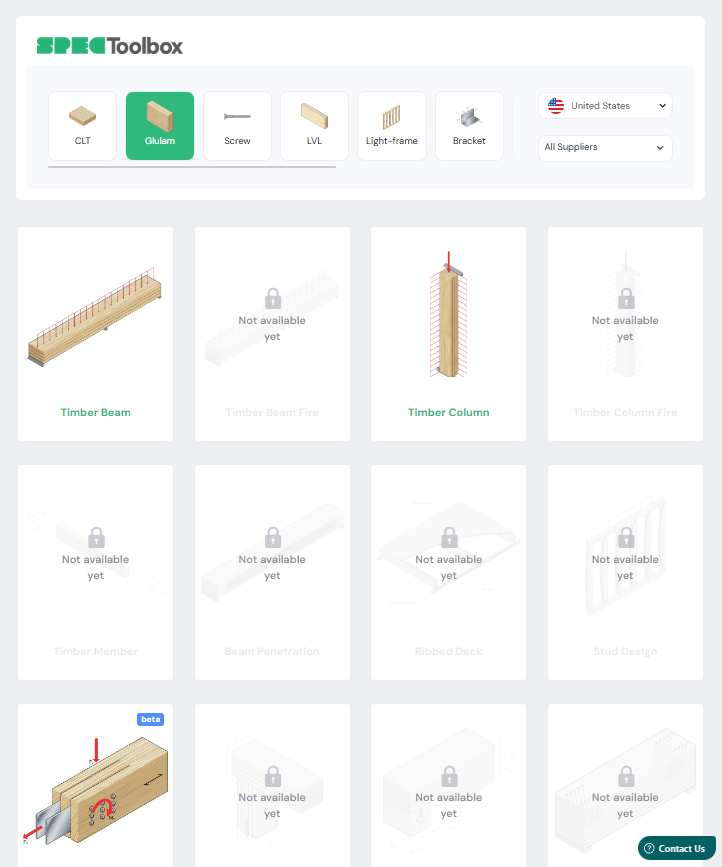
Frequently Asked Questions
What is the difference between "Balanced" and "Unbalanced"?
“Unbalanced” layups (e.g., V4) have stronger laminations on the bottom only. They are cheaper but meant for simple spans. “Balanced” layups (e.g., V8) have strong laminations on top and bottom, required for cantilevers or continuous spans.
Does this check Camber?
The tool calculates the required Camber ($1.5 \times \text{Dead Load Deflection}$) to ensure the beam sits flat under load, a critical serviceability requirement for long-span
Can I design curved beams?
This module currently handles straight (prismatic) members. Curved beams require a specialized check for radial tension ($k_{radial}$), which is covered in our advanced geometry module.






 Vis
Vis GLT
GLT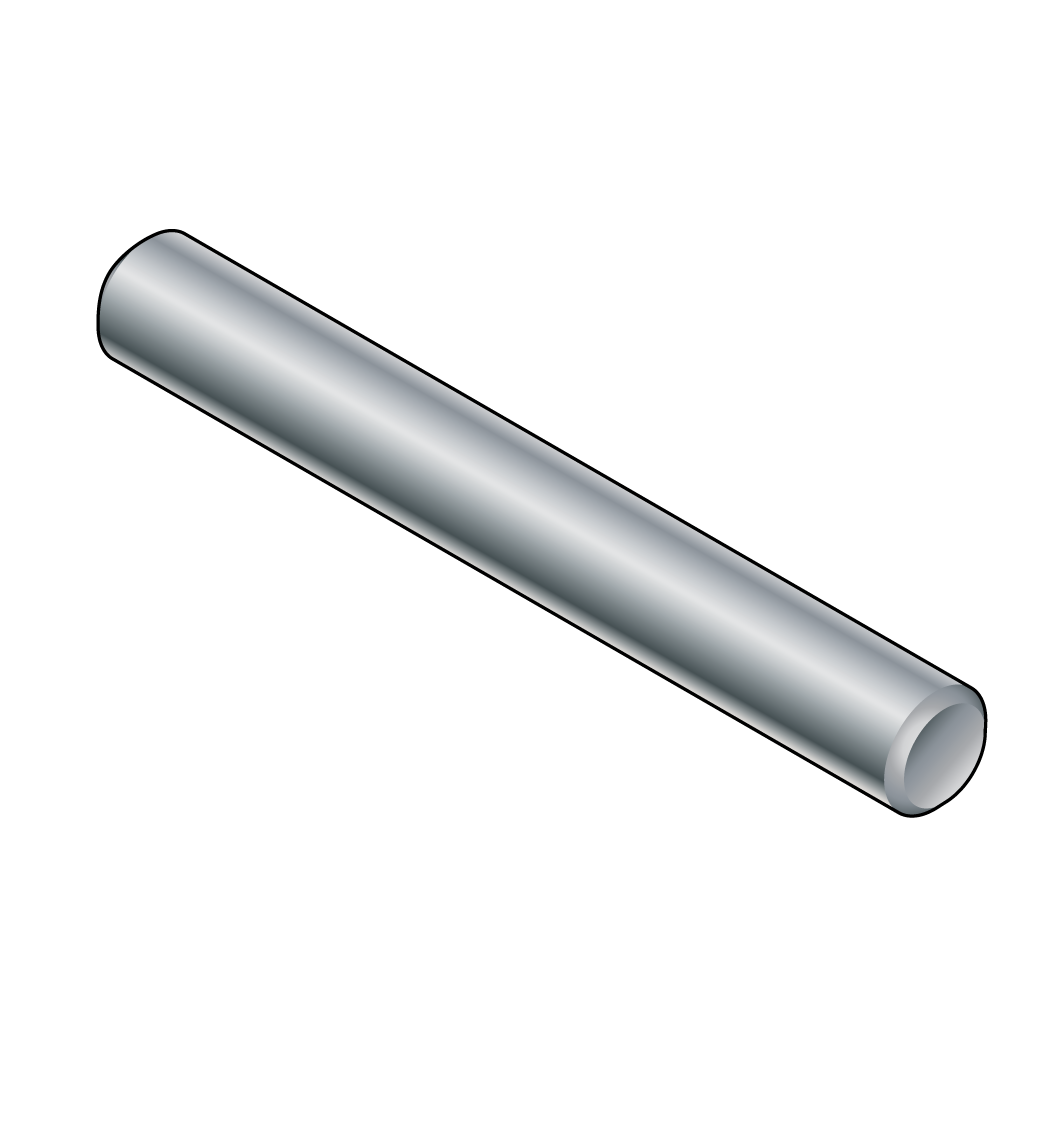 Dowels
 CLT
CLT