
CLT Design Software for Eurocode 5 | Engineering Platform
Launch the free CLT Floor Calculator below & verify your design in seconds!
CLT Design
The New Standard for European Mass Timber Engineering
CLT Design in Europe is transforming the skyline, yet for many structural engineers, the path to a compliant mass timber design is filled with technical roadblocks. Despite its prevalence, specialized CLT design software for Eurocode 5 is rarely taught at the university level, leaving a significant knowledge gap in the local industry.
Designing with the primary European timber code, EN 1995-1-1, presents a unique challenge: while the code provides the foundation, managing the complex layer-by-layer verification for CLT requires navigating national annexes and diverse manufacturer-specific data. This complexity forces engineers to use a verified CLT calculator to manually synthesize first principles with code-specific factors like kmod, ksys, and Ym.
The European Engineering Platform for CLT Design
This tool performs a complete structural analysis of CLT panels under gravity loads. It checks both Ultimate Limit State (ULS) and Serviceability Limit State (SLS) criteria:

Aggiornamenti dei nostri partner
La piattaforma in più rapida crescita per le specifiche del legname
Key CLT Design Capabilities
Design of CLT Floors
Supplier & Code Integration
Effective CLT floor design starts with the correct application of Eurocode material and load factors. Our platform integrates supplier data with Eurocode 5 requirements, enabling fast and reliable structural verification.
Analytical Methods for CLT Stiffness
-
The Gamma Method: Best for standard, uniform CLT panels with 3, 5, or 7 layers. It accounts for the rolling shear deformation in the cross-layers by using a simplified efficiency factor.
-
The Extended Gamma Method: Our recommended method for thick panels (7-ply and above) or non-uniform layups. It provides a more refined calculation of effective stiffness by accounting for the rolling shear stiffness of every individual cross-layer, preventing overly conservative designs.
-
The Shear Analogy Method: The most rigorous analytical approach, suitable for highly complex or asymmetric layups. It treats the panel as a composite beam with distinct bending and shear stiffness components, providing the highest level of accuracy for all layup configurations.
High-Performance Vibration Design
Vibration is often the governing serviceability limit state for CLT floors. We have included the latest Eurocode drafts to provide a superior design outcome:
-
Support Conditions: Model realistic scenarios including stiff or flexible supports to accurately predict floor behavior.
-
Performance Levels: Specify target performance levels to meet specific building requirements, moving beyond simple frequency checks to holistic occupant comfort.
This calculator goes beyond simple static deflection. The tool analyzes the Fundamental Frequency (f1) and Impulsive Velocity Response, allowing you to tune the floor mass and stiffness to meet strict vibration criteria (e.g., 8Hz for offices), ensuring the “feel” of the floor matches the quality of the building.

Design of CLT Fire
Advanced CLT Fire Engineering
Structural fire design for mass timber is a critical component of any Eurocode-based structural verification and performance-based fire engineering solution.
SPEC Toolbox simplifies this complexity by offering multiple verification pathways aiding engineering judgement, ranging from the widely adopted ÖNORM B EN 1995-1-2:2011 (Austrian National Annex to Eurocode 5) to the cutting-edge prEN 1995-1-2:2023 (2nd Generation Eurocode). Whether you are utilizing a standard fire curve based on EN 1363-1 testing or project-specific fire test data, the platform calculates precise charring depths and residual load-bearing capacities, helping your CLT panels meet stringent Eurocode safety and structural integrity requirements.
Precision Charring & Bond-Line Integrity
Our engine accounts for the sophisticated physics of timber charring, moving beyond simple uniform rates. You can define the basic charring rate β₀ based on timber density and moisture content, and the platform automatically applies relevant Eurocode modification factors to determine notional charring rates βₙ. Crucially, our 2nd Generation Eurocode module explicitly models bond-line integrity and delamination effects, preventing the catastrophic loss of protection often ignored in simplified calculations for layered timber elements such as CLT.
Automated Factor Analysis for Performance Solutions
To provide total engineering transparency, SPEC Toolbox enables granular control over charring variables. The platform automates the calculation of Eurocode charring and protection factors, including parameters related to gaps, protection layers, and layer fall-off behaviour. This “No Black Box” approach allows engineers to either use code-specific default values or bypass them with manual inputs derived from manufacturer fire tests, creating a verified path from Eurocode first-principles calculations to project certification.

Design of CLT Connections
1. Moving Beyond Simplified Connection Design
While Eurocode 5 (EN 1995-1-1) is the current European standard for timber design, modern mass timber connections often require more advanced modelling and manufacturer-specific data to achieve optimal performance.
Advanced Yield Modeling: SPEC Toolbox utilizes the Eurocode Johansen Yield Models to provide accurate and reliable design outcomes for dowel-type fasteners in timber connections.
ETA Integration: We integrate supplier-specific European Technical Assessments (ETAs), ensuring your designs utilize ultimate performance data unique to specific product families.
2. Simplified Screw & Joint Design
Our platform transforms complex connection math into a streamlined, high-speed workflow:
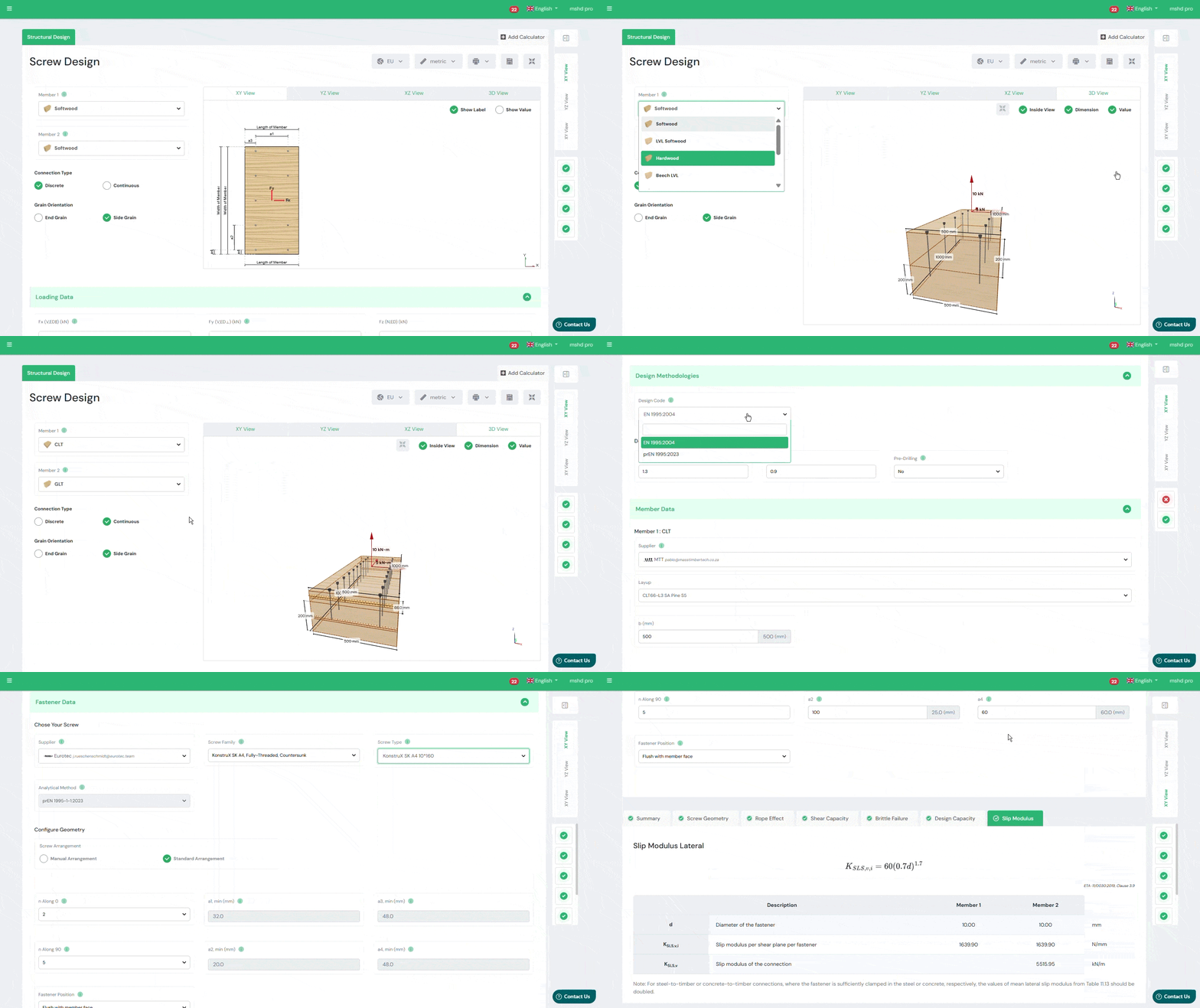
Preconfigured Joint Types: Rapidly design and verify Half Laps, Splines, and Butt Joints with automated geometry checks.
Steel-to-CLT: Specialized modules for timber-to-steel connections, handling the complex stress distributions at the interface.
3. The “Global-Local” Connection Library
SPEC Toolbox is the only platform that allows you to pair your choice of CLT Supplier with the world’s leading Connection Manufacturers:
Universal Fastener Selection: Choose from top-tier brands including ESSVE, Eurotec, Klimas, Rocket/Vynex, Rothoblaas, Schmid Schrauben, Sihga, SPAX, Würth, or Pitzl.
Verified Compatibility: Seamlessly verify these fasteners against European CLT panels such as KLH, Kalvasta Timber, Binderholz, Södrа, MTT, Theurl, or Xlam Dolomiti.
Design of CLT Shear Walls
In-plane CLT Design
ProHolz vol 1 Clause 5.8
ProHolz identifies three failure mechanisms for CLT shear walls:
- Mechanism 1: Shearing of failure of the boards along a joint
- Mechanism 2: Shearing failure of the glued surface at the intersection of joints.
- Mechanism 3: Shearing failure of the entire plate.
FP innovation Clause 3.8
By considering the shear stresses in the lamellas and the crossing areas, three different failure modes exist in CLT beams subjected to shear stresses such as
- Failure Mode I: Shear failure parallel to the grain in the gross cross-section
- Failure Mode II: Shear failure perpendicular to the grain in the net cross-section
- Failure Mode III: Shear failure in crossing area of orthogonal lamination
Wall Connection Models
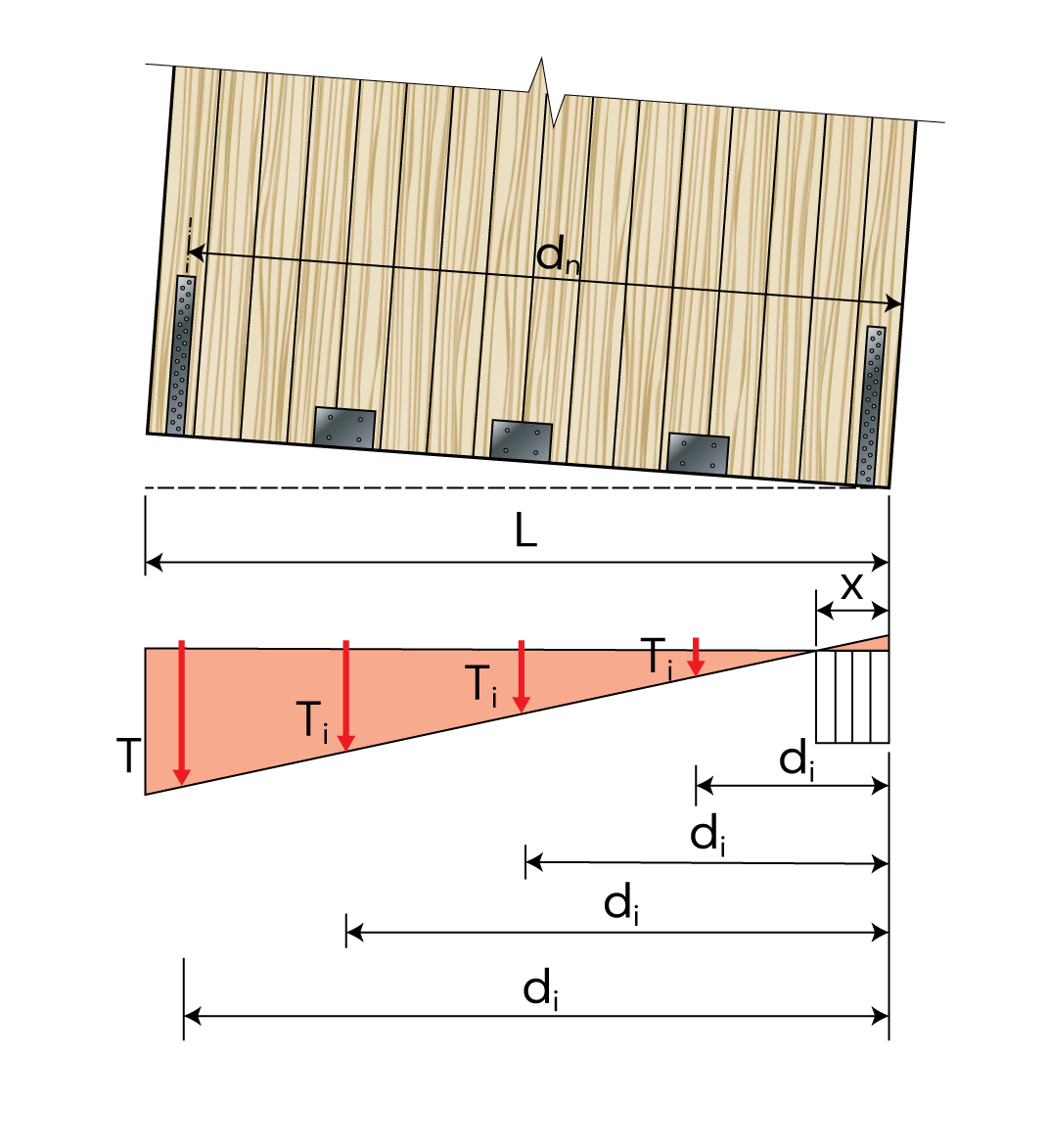
In summary of the methods that are used to determine the capacity of the CLT shear wall at the connection points include:
| Metodi | Sommario | |
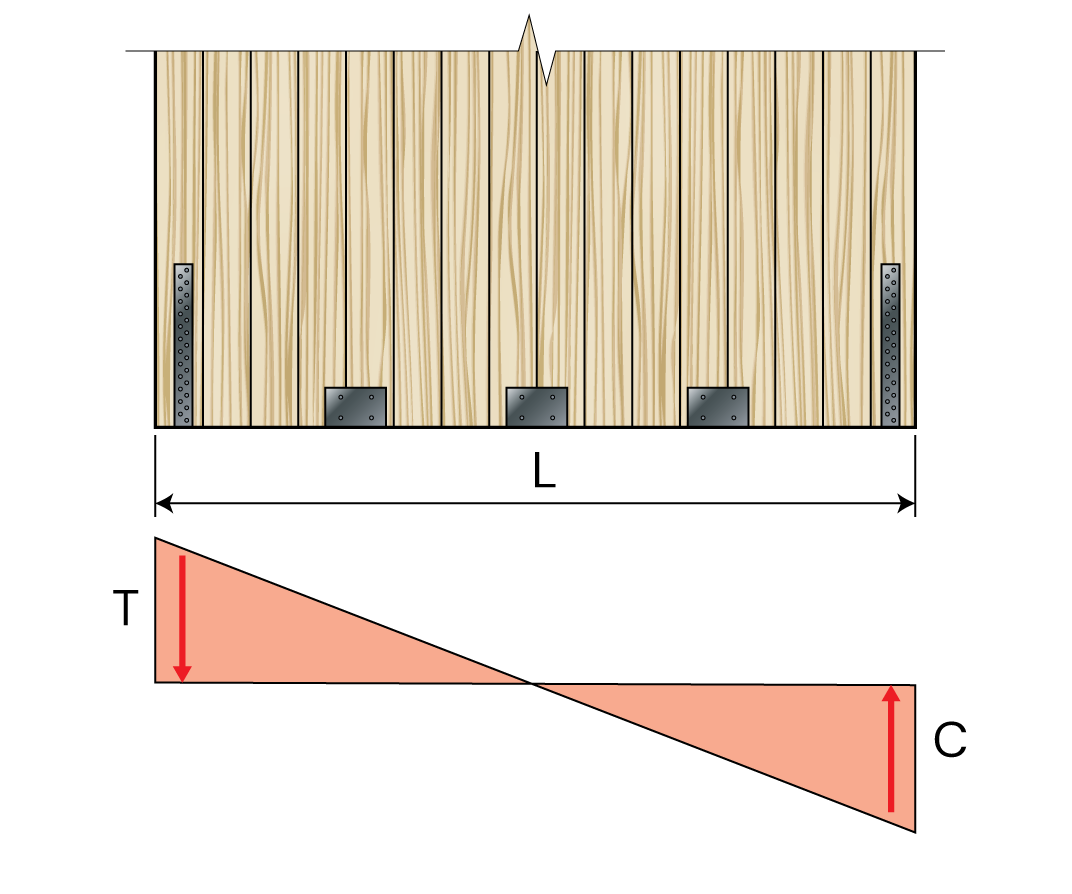
| Method I, Casagrande et al. 2016 | Analizza le pareti di taglio utilizzando la rotazione dei corpi rigidi e l'equilibrio statico, con il punto di rotazione sul bordo del pannello, concentrandosi sul bilanciamento delle forze interne. |
 |
| Method II, Wallner-Novak et al. 2014 | Utilizza un blocco di sollecitazione rettangolare semplificato e tiene conto della resistenza di attrito, fornendo un approccio più dettagliato alla resistenza allo scorrimento.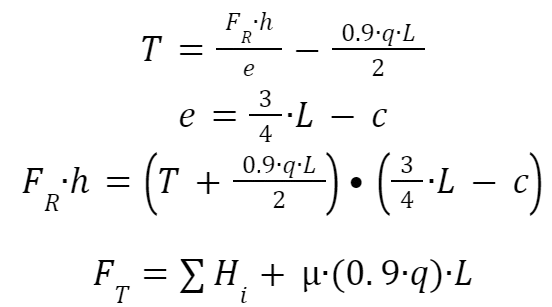
|
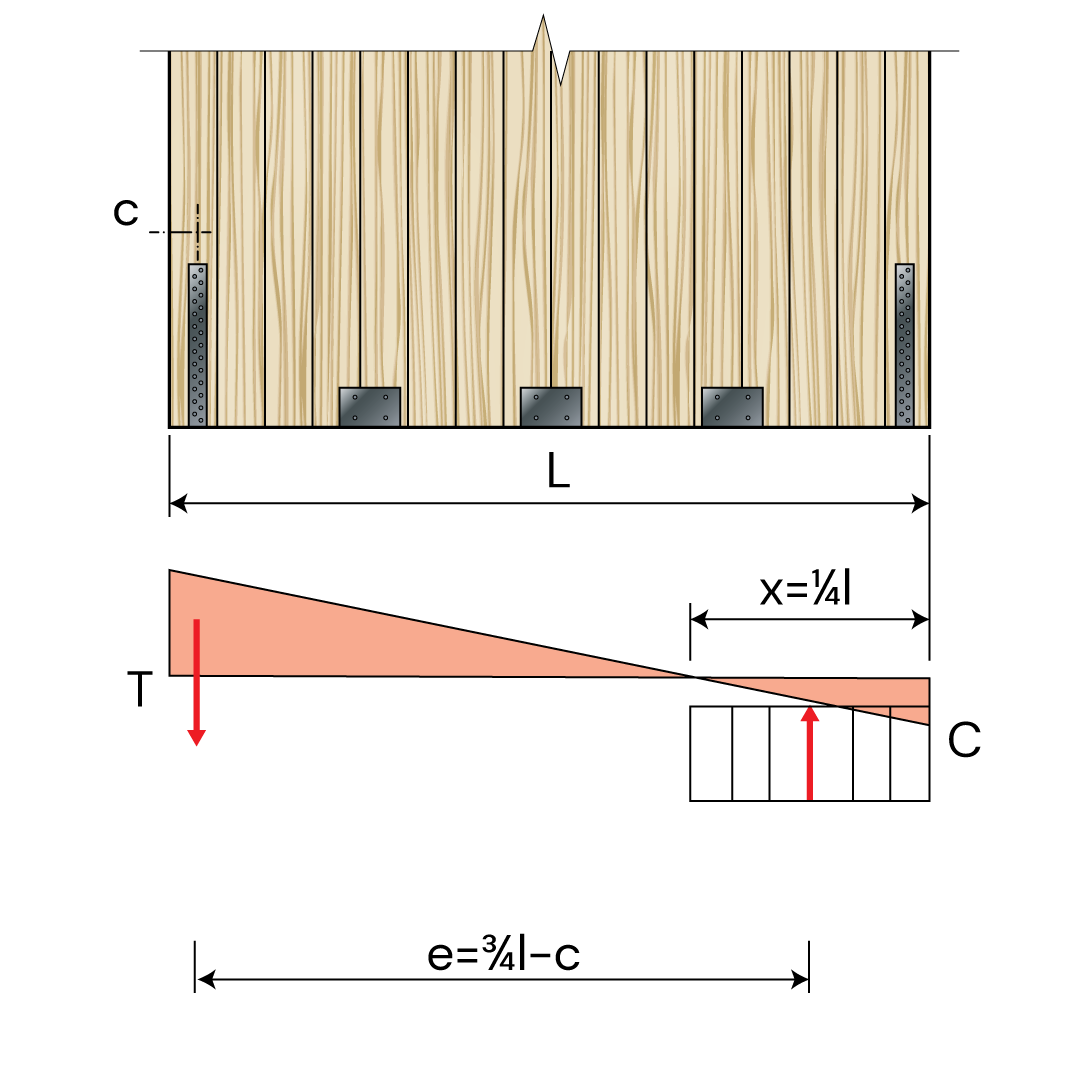 |
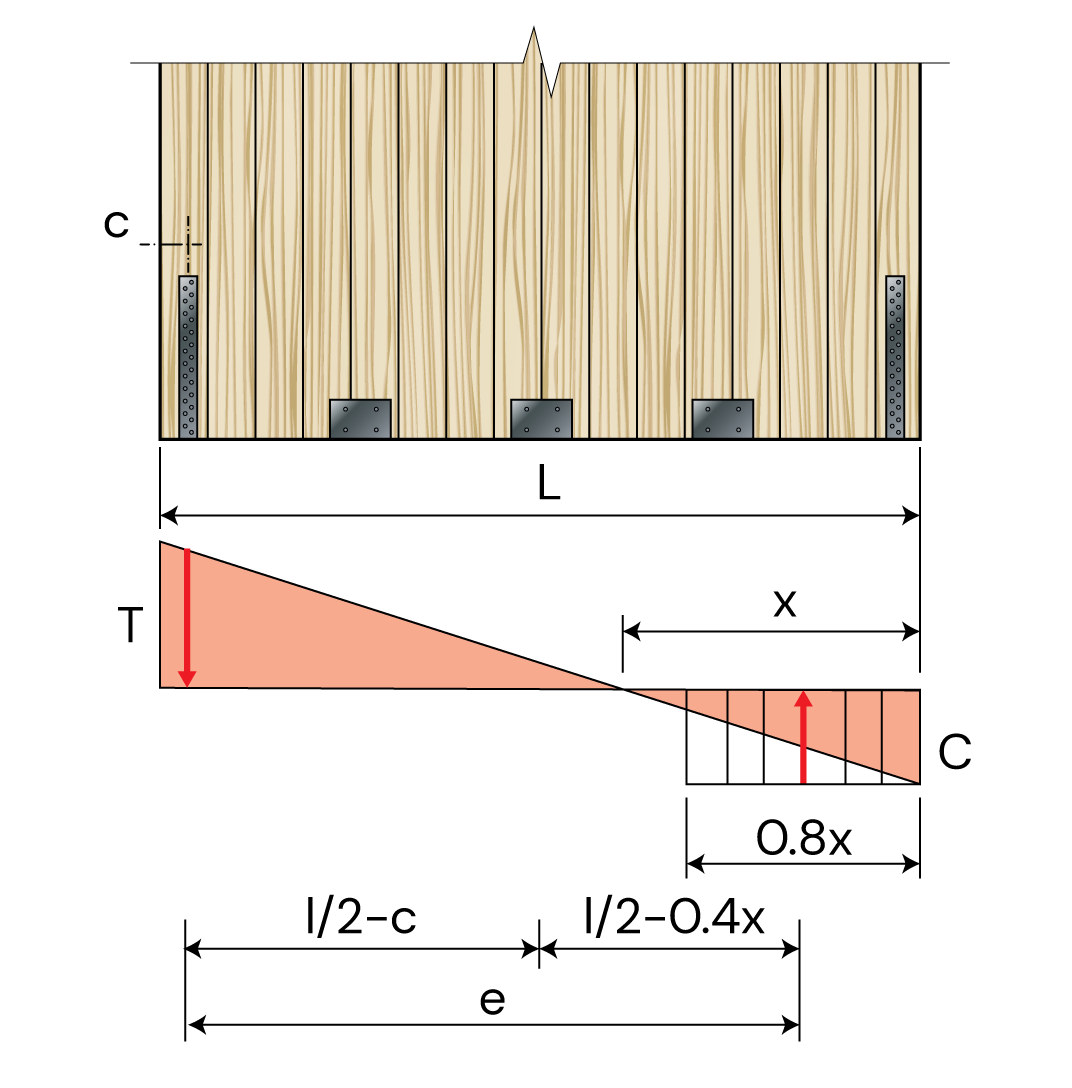
| Method III, Tomasi, 2014 | Simile al metodo Wallner-Novak, ma con una lunghezza della zona di compressione diversa e presuppone una fondazione estremamente rigida con un calcolo raffinato dell'asse neutro.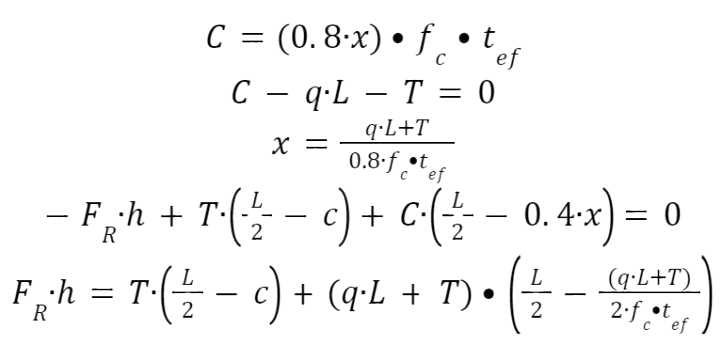
|
 |
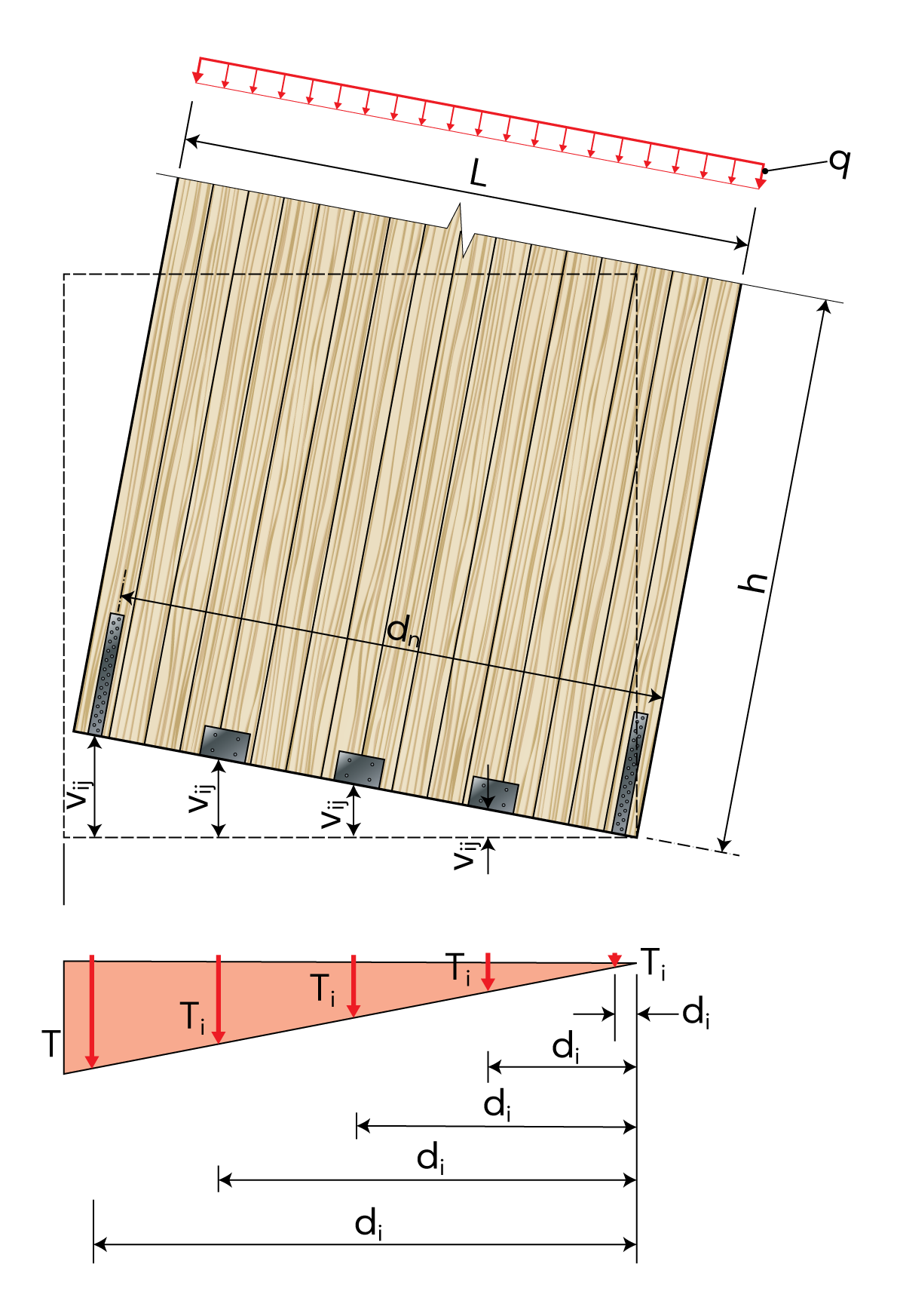
| Method IV, Pei et al. 2012 | Tratta il pannello CLT come un corpo rigido che ruota attorno a un angolo con connettori modellati come molle elastiche, basandosi sulla resistenza di connessione calibrata a posteriori ed escludendo dalla analisi la resistenza allo scorrimento.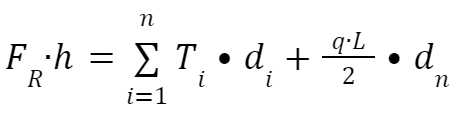
|
 |
| Method V, Reynolds et al. 2017 | Migliora il metodo di distribuzione triangolare della tensione includendo una zona di compressione e tenendo conto dell'attrito per migliorare la valutazione della resistenza allo scorrimento.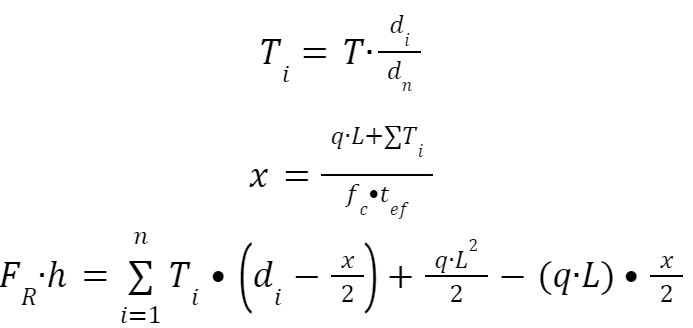
|
 |
The Ultimate CLT Design Platform for Australian Structural Engineers
If you’re looking to design CLT on your next project, then SPEC Toolbox has you covered!
Tutorials
CLT Floor-to-Wall Connection Design

Slab-to-Beam Connection Design
Half-Lap Connection Design
Join us as we break down the Half-Lap joint design, focusing on maintaining structural continuity without external steel plates. Using the Screw Module, we walk through the auto-checking of edge distances and spacing requirements critical for these tight geometric joints.

Calcolatore di connessione a mezzo giro
Scopri come utilizzare il calcolatore Half-lap di CLT Toolbox per modellare un collegamento diaframma da pavimento a pavimento. Iniziamo selezionando la struttura CLT, il fornitore e la larghezza del giunto, quindi esaminiamo la differenza tra le modalità di calcolo discreto e continuo. Esplora le opzioni dei fornitori di viti, le famiglie di viti e l'ottimizzazione basata su ETA.

Calcolatore per pareti CLT
In questo video imparerai come progettare passo dopo passo un tipico elemento murario in CLT. Tratteremo la selezione di un fornitore di CLT, l'utilizzo delle giuste funzionalità, immagini dinamiche e contenuti didattici per determinare lo spessore e il design ottimali del pannello. Vedrai anche come passare dai tipi di intelaiatura Platform a Balloon, applicare diversi metodi di eccentricità e aggiungere carichi in piano e fuori piano, acquisendo una solida comprensione delle basi del calcolo e della progettazione delle pareti in CLT.
Il legno massiccio sta plasmando il futuro dell'edilizia sostenibile. Con la diffusione di edifici in legno da record in tutto il mondo, padroneggiare la progettazione CLT è più importante che mai. Scopri la nostra app CLT Toolbox per potenti strumenti di progettazione, calcoli automatizzati e approfondimenti di esperti che ti aiuteranno a semplificare i tuoi progetti CLT!

Calcolatore per la progettazione di diaframmi CLT
Una guida completa alla configurazione e all'analisi del comportamento del diaframma nella direzione X utilizzando CLT Toolbox. Definirete i tipi di viti per i calcoli di rigidità, imposterete la geometria dei pannelli, i tipi di connessione e le larghezze dei pannelli. Tratteremo come inserire le forze ULS e SLS e spiegheremo i valori di taglio nel piano e i dati di laminazione richiesti. Il video si conclude con un'analisi dei risultati di deflessione, delle azioni delle forze e dei controlli di resistenza secondo l'Eurocodice 5.

Progettazione antincendio per pavimenti in CLT
Siamo lieti di lanciare il tanto atteso modulo Fire Design per pavimenti in CLT, ora disponibile insieme al calcolatore di progettazione ambientale su CLT Toolbox.
Questo tutorial illustra il funzionamento del nuovo modulo, compresi gli standard supportati e il calcolo della profondità dei caratteri strato per strato.
Key features include:
- Support for multiple fire models:
– Draft Eurocode 5 (prEN 1995-1-2:2023)
– Austrian National Annex (ÖNORM B EN 1995-1-2:2011)
– Standard Fire Tests (ISO 834 / EN 1363-1) - Flexibility to define protection layers and fire-exposed sides
- Automatic layer-by-layer charring depth calculations over time
- Clear logic for bond-line failure and glue-line degradation
- Full PDF export with all intermediate steps, safety factors and inputs
Realizzato per garantire agli ingegneri trasparenza, precisione e rapidità nella progettazione antincendio dei CLT.

Progettazione di pareti di taglio in CLT
Siamo lieti di annunciare che la seconda versione del nostro calcolatore per pareti di taglio CLT è ora DISPONIBILE!
Dopo 12 mesi passati ad ascoltare i feedback degli utenti, siamo lieti di presentare uno strumento migliorato e più robusto per la progettazione di pareti di taglio.
Le pareti di taglio CLT hanno un'eccellente resistenza nel piano e possono fungere da affidabile sistema di resistenza ai carichi laterali.
La seconda versione del calcolatore include funzionalità quali cinque metodi all'avanguardia per il trasferimento dei carichi, basati sulle ricerche di Casagrande, Wallner-Novak, Tomasi, Pei e Reynolds. Abbiamo anche aggiunto controlli di deformazione laterale e calcoli di rigidità dei pannelli secondo la guida ProHolz 2014. Infine, abbiamo incluso anche la progettazione in piano del CLT secondo Proholz 2014 e FP Innovations 2019.
Per tutto il mese di ottobre, il calcolatore per pareti di taglio sarà disponibile nella versione gratuita. Vai sull'app per provarlo🙂

Calcolatore per la progettazione di pavimenti in CLT
Unitevi a noi mentre esploriamo tutto, dalla scelta del pannello CLT ideale, sia che optiate per il prodotto di un fornitore o che inseriate manualmente i vostri dati, alla selezione dell'allegato nazionale corretto, alla definizione dei carichi e alla messa a punto dei dettagli più precisi. Questo video vi guida attraverso ogni fase, compresa l'analisi strutturale, i calcoli di rigidità e persino l'integrazione delle lamelle incollate ai bordi nel vostro progetto.
Esamineremo anche come le varie tecniche di vibrazione influiscono sulla struttura e riveleremo come è possibile ottimizzare il progetto tenendo conto della rigidità nel piano del massetto in calcestruzzo e dell'influenza del supporto flessibile. Inoltre, sarà possibile monitorare i risultati e le formule durante tutto il processo, assicurandosi di essere sempre informati.
Cominciamo!

Calcolatore per la progettazione di diaframmi CLT
Inizia con un approccio completo alla progettazione del diaframma definendo le forze, le proprietà dei materiali e applicando i parametri dell'Eurocodice 5. Inizia definendo le forze di input che agiscono sul diaframma nella direzione X e selezionando i tipi di viti per i calcoli di rigidità. Imposta la geometria e l'orientamento del diaframma negli input dell'utente, il tipo di connessioni dei pannelli e la larghezza dei pannelli con le informazioni tecniche fornite dai fornitori di CLT. Forze di input sia per ULS che per SLS, tenendo conto della direzione della forza. Comprendere i valori di taglio nel piano, i dati di laminazione richiesti e i parametri di progettazione chiave per l'Eurocodice 5. Infine, analizzare i risultati della deflessione, la teoria sottostante, le forze di azione e i controlli di resistenza per garantire una progettazione precisa ed efficiente.

Frequently Asked Questions
Does this calculator handle Fire Design?
For this specific module, we focus on “Cold” (Ambient) design. However, CLT generally performs well in fire due to the “Charring Rate” (β0 approx 0.65 mm/min). We recommend checking our standalone CLT Floor Fire Calculator for fire limit states.
Can I define custom layups?
Yes. You can select standard layups (e.g., 100mm 3-ply, 140mm 5-ply) or define a custom buildup layer-by-layer to match a specific manufacturer (e.g., Sodra, KLH, Binderholz).
What about Point Loads?
The current version analyzes Uniformly Distributed Loads (UDL) typical for floor joist design. For concentrated point loads, local punching shear checks may be required separately.






 CLT
CLT Dowels
 Viti
Viti GLT
GLT Staffe
 Light-frame